


Sri Lanka yesterday made history at Rawalpindi.
In an important game in the ongoing tri-series, Sri Lanka won the toss and elected to field—a decision that looked a costly mistake, at least by the end of England’s innings.
The first 50 overs were all about England and their captain, Harry Brook, who scored the fastest double-century in men’s ODI cricket, breaking several records along the way.
At the end of England’s innings, the scoreboard read 429 for four, giving Sri Lanka a mammoth target of 430.
Never before had Sri Lanka successfully chased a target of 400 or more in ODI cricket, although they came very close in 2009 at Rajkot against India.
Chasing a target of 415, Sri Lanka made 411 for eight, losing by just three runs. Tillakaratne Dilshan made 160, while Kumar Sangakkara scored 90.
The 430 Mark
This time, it looked even more daunting. There was a bigger score on the board, and Sri Lanka, along with England, were under pressure to secure a win and move forward in the tri-series.
The chase began, and Sri Lanka soon lost two wickets, including captain Kusal Mendis, who was unfortunately run out without facing a ball.
The Lions were staring at 24 for two in just the fifth over.
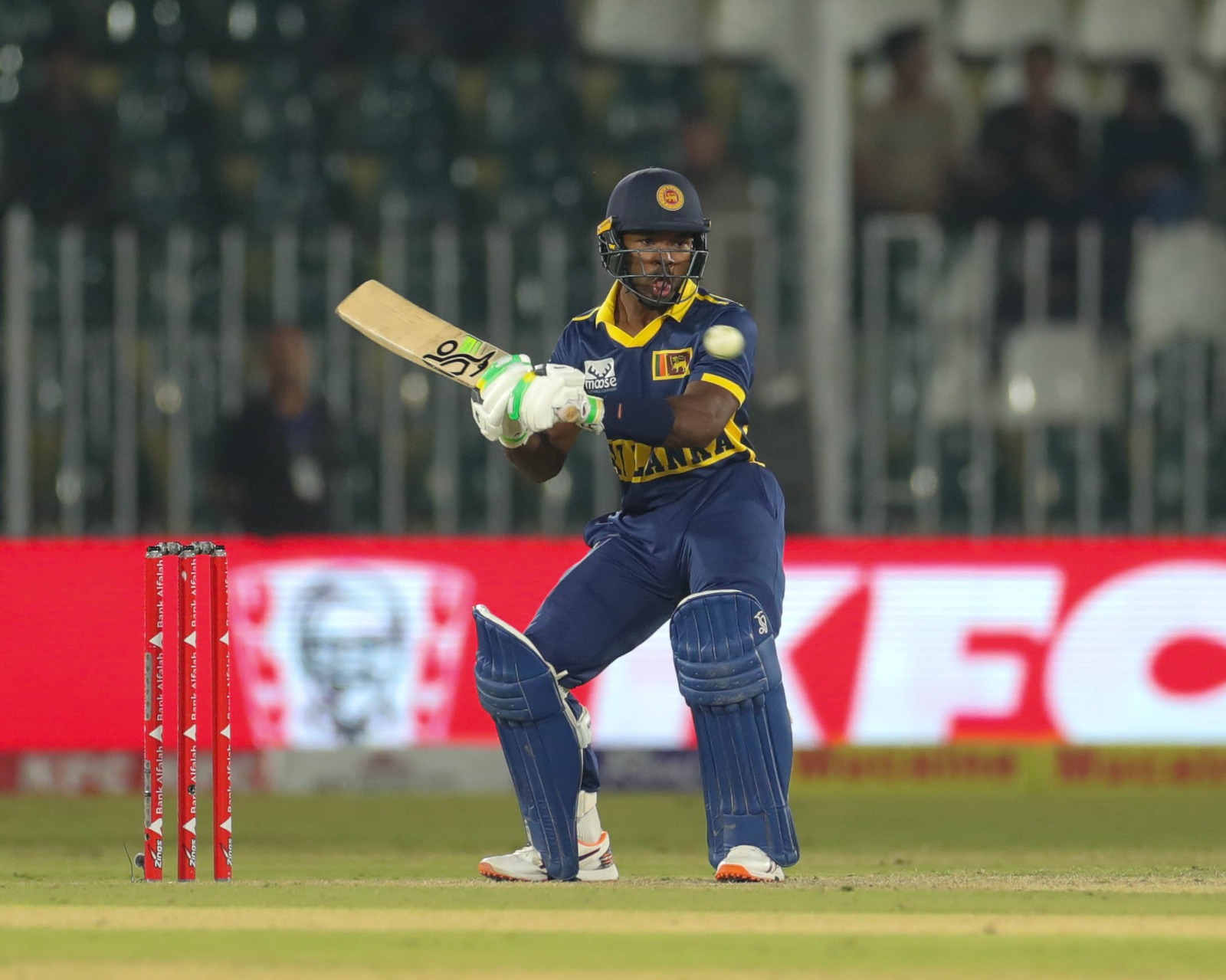
Avishka Fernando and Pavan Rathnayake were at the crease. They had to start rebuilding.
The highly capable Fernando needed a knock to regain his confidence at international cricket. Here was his chance, with the pitch still good for batting.
Rathnayake had been showing signs of his ability since arriving in international cricket. This was another opportunity to continue the good work.
Both looked serious, but neither appeared to be under pressure. At least, their faces did not show it.
For a few overs after the early wickets, the strike was not being rotated as freely as Sri Lanka needed. But both were settling in, looking to give themselves time for a longer stay.
Fernando was looking extremely good, middling the ball almost at will, while Rathnayake’s elegance was on display.
Back home, Sri Lankan fans were watching keenly. The chase brought back memories of South Africa’s historic pursuit against Australia in Johannesburg 20 years earlier and commentators were recalling the memory.
In the Sri Lankan dressing room, head coach Gary Kirsten kept a close eye on how the two were progressing and he wanted this win, a much needed one.
Fernando departed for 97, with the score on 190 after 27.1 overs.
Three runs short of a century. But in the context of this game, the greater disappointment was losing him when he was batting so well.
Still he had played an innings to put Sri Lanka on track for the chase.
Then came the surprise.
Dasun Shanaka, one of Sri Lanka’s foremost power hitters, was promoted up the order—a strategic move by the think tank.
For the next few overs, it was settling-in time once again.
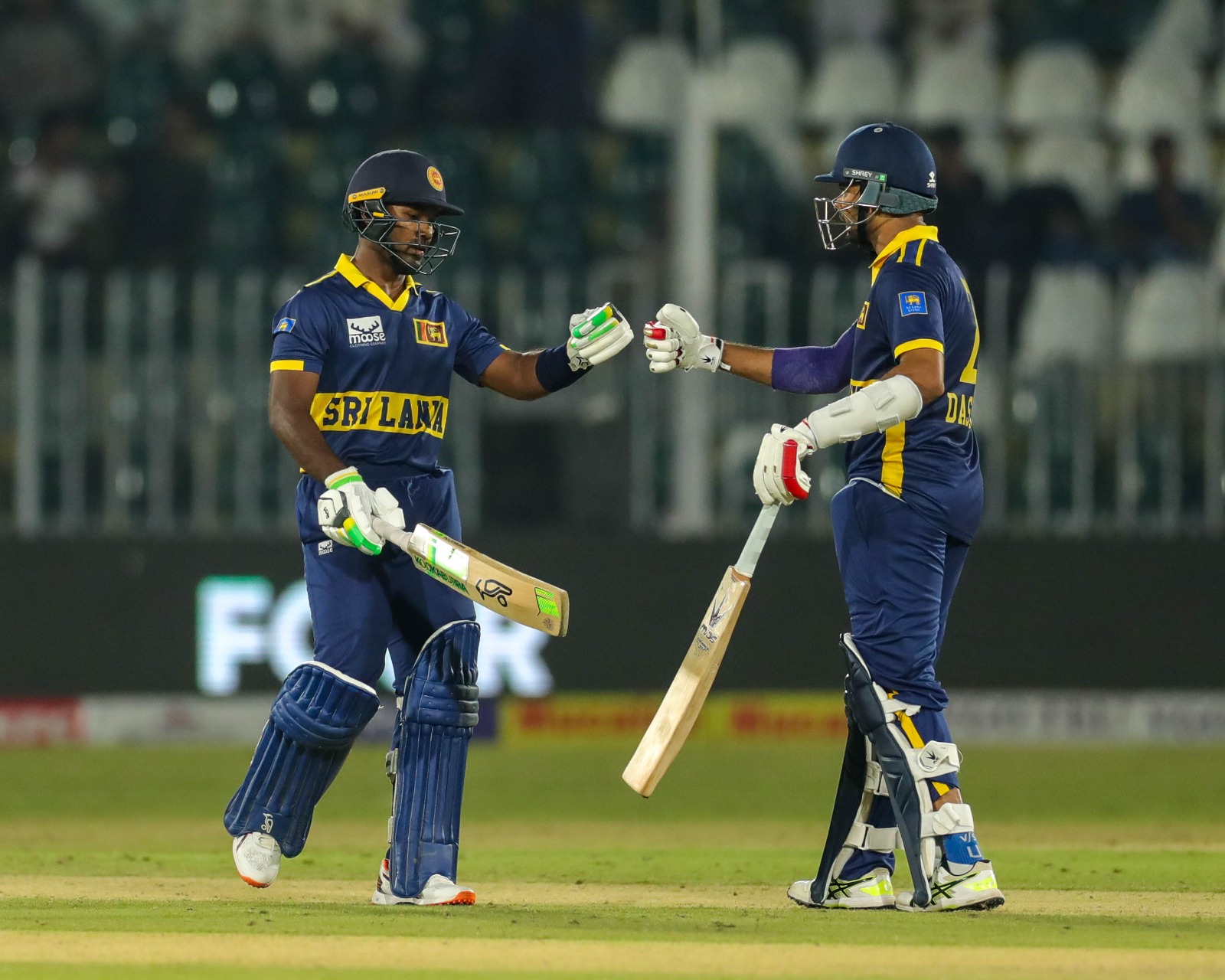
Rathnayake and Shanaka were laying the foundation for another strong partnership. And Sri Lanka needed it.
The boys were taking it phase by phase.
They passed 250. There was more work to be done, more distance to travel, but the determination was there to see.
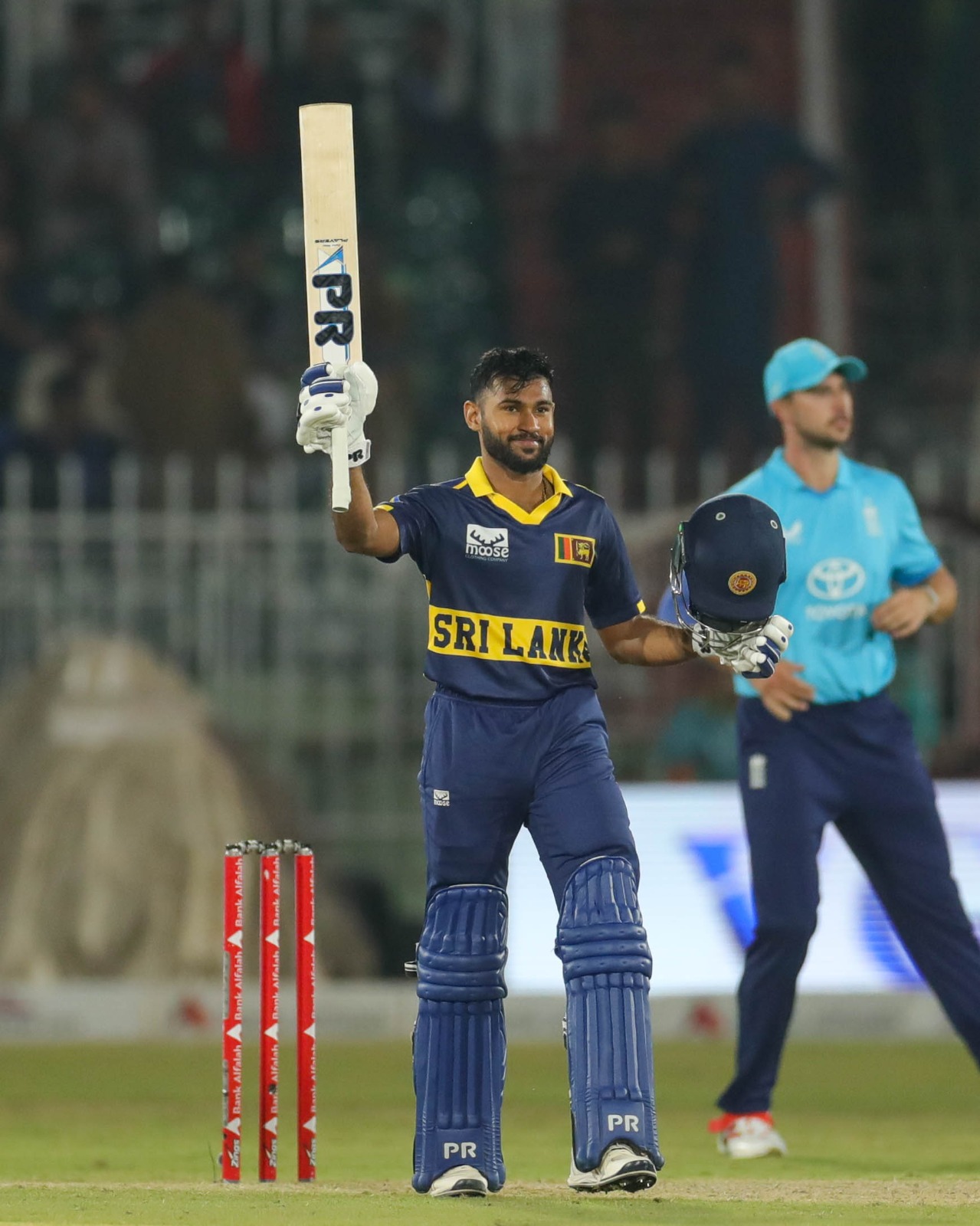
Rathnayake reached his hundred in 87 balls.
Shanaka, meanwhile, was beginning to do what he does best. The boundaries were coming, and the partnership was growing.
The Sri Lankan dressing room was beginning to sense that something big could be coming.
Captain Kusal Mendis’s eyes were fixed on the middle. The players and support staff watched with expectations rising, but there was more work to be done.
Sri Lanka reached 300 in 38.3 overs.
The chase was alive.
Then Rathnayake was caught in the 41st over, with the score on 323. He had made a blistering 130 from 106 balls.
Despite the big knocks from Rathnayake and Fernando, and Shanaka’s continuing effort, Sri Lanka still had a long road ahead.
Such was the size of the target.
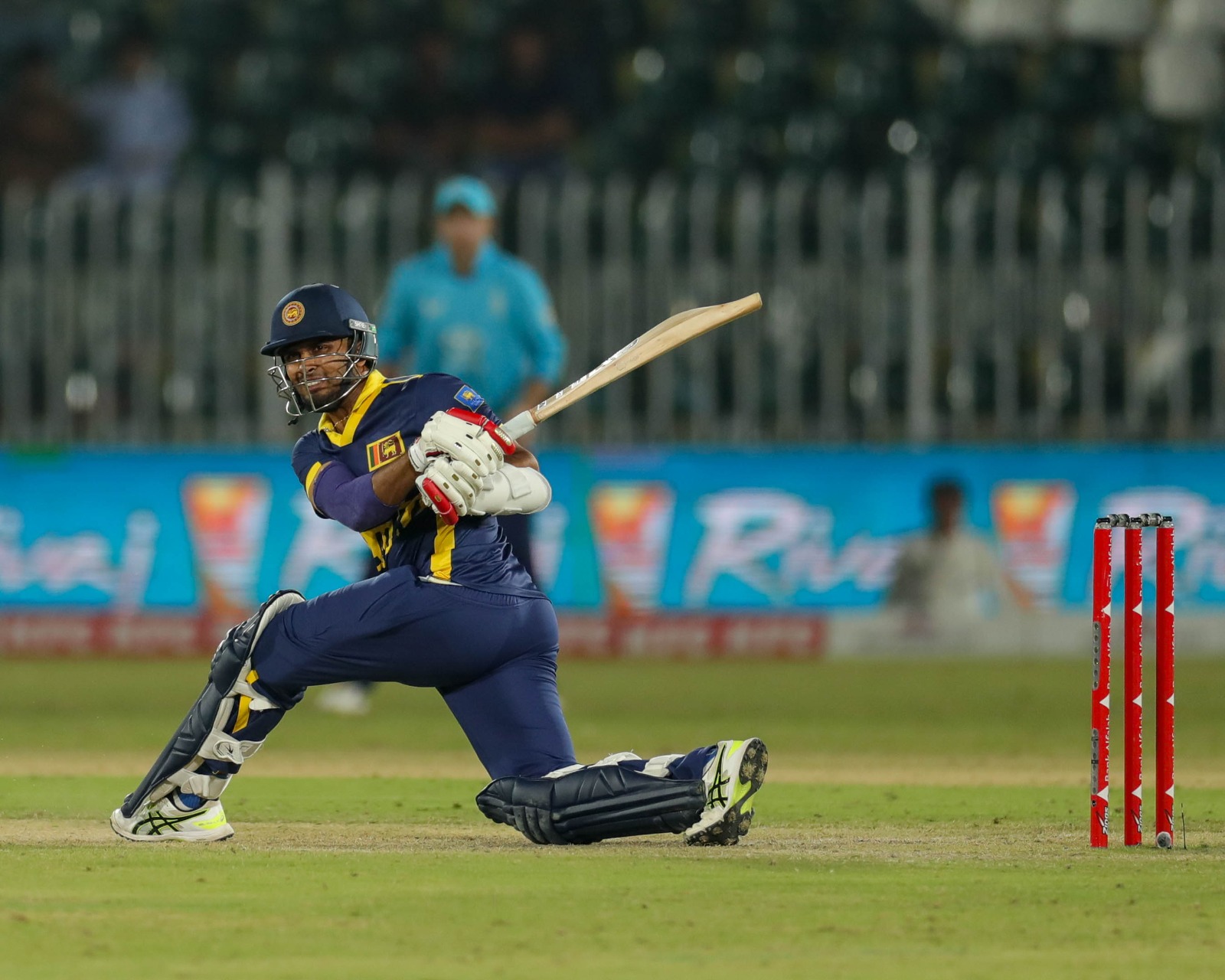
Then came Janith Liyanage—a man for a crisis.
He began by touching, jabbing and placing the ball into gaps, keeping the strike rotating while Shanaka did the boundary work at the other end.
But Liyanage, too, soon had to accelerate. The required rate demanded it, and he began bringing out his own range of attacking shots.
Shanaka departed for 97 from 50 balls, leaving Sri Lanka on 363 for five.
Another man three short of a hundred. Another innings that had kept Sri Lanka moving towards something special.
There was more batting to come.
Sahan Arachchige entered the fray. His stay was brief, but very useful in the context of the game: 13 from eight balls, with two boundaries.
Dunith Wellalage added eight from seven.
Every run mattered.
Then came the final over, with eight needed.
Wellalage departed. Eshan Malinga followed on the next ball.
Suddenly, England had a hat-trick opportunity, and Sri Lanka’s journey had taken another sharp turn.
Asitha Fernando survived and took a single—a small contribution on the scorecard, but a huge one at that moment.
It brought Liyanage back on strike.
Six needed from two balls.
The train had almost reached the last station.
It was now in Liyanage’s hands to make sure it arrived on time.
Then came the big swing.
At 49.5 overs, Sri Lanka reached the historic target through a six from Janith Liyanage.
He finished unbeaten on 61 from 27 balls, at a strike rate of 225.93.
Sri Lanka had done the unthinkable.
The dressing room erupted. The fans back home were jubilant. For many who had watched it unfold, sleep would have to wait while they absorbed what they had just witnessed.
The second-highest successful run chase in men’s ODI history.
The boys had done it.
And at Rawalpindi, they showed that they knew how to win, no matter how daunting the task.